
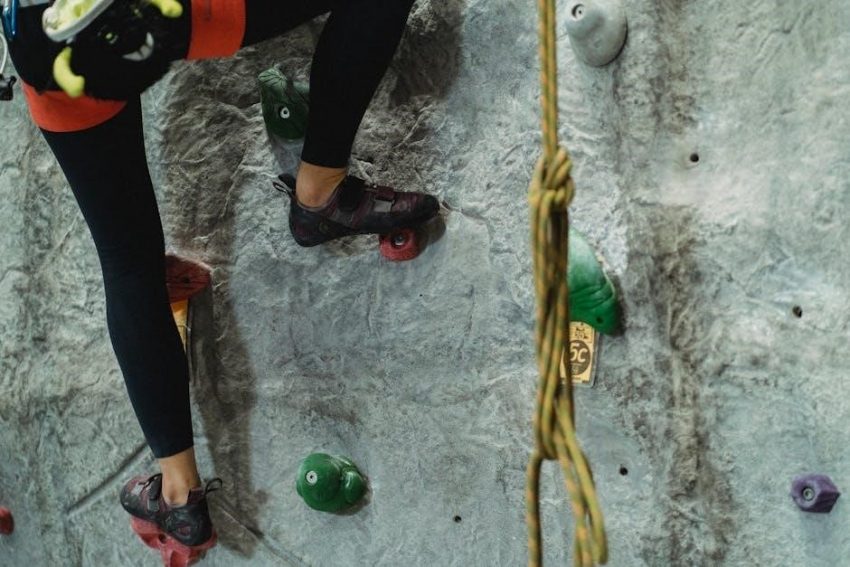
Navigating the world of rock climbing shoes requires understanding sizing nuances. This guide‚ based on Rock Run’s insights‚ offers a formula for achieving the optimal fit for performance and comfort.
Understanding Rock Climbing Shoe Sizing
Rock climbing shoe sizing differs significantly from standard footwear. Unlike street shoes where comfort is paramount‚ climbing shoes are designed for precision and performance‚ often requiring a snug‚ even slightly painful‚ fit. This is because a tighter fit enhances sensitivity and allows for better edging and smearing on the rock.
The sizing systems aren’t standardized across brands; a size 40 in one brand might feel drastically different in another. Millimeters (mm) are commonly used for sizing‚ offering a more precise measurement than traditional US or UK sizes. Rock Run emphasizes a “suggested” fit formula‚ acknowledging the subjective nature of finding the perfect shoe.
Factors like foot shape‚ climbing style‚ and experience level all influence the ideal fit. Beginners often prefer a more comfortable fit‚ while advanced climbers may opt for a highly aggressive‚ downturned shoe with a very precise fit. Understanding these nuances is crucial for selecting the right size and maximizing your climbing potential.
Why Rock Climbing Shoe Fit is Crucial
A proper fit in rock climbing shoes directly impacts performance and safety. Ill-fitting shoes can lead to discomfort‚ blisters‚ and reduced climbing ability. Too loose‚ and your feet will move within the shoe‚ diminishing precision and power transfer when edging or smearing. This lack of sensitivity hinders your ability to feel the holds effectively.
Conversely‚ shoes that are too tight can cause excruciating pain‚ restrict blood flow‚ and even lead to foot injuries. A well-fitted shoe allows you to confidently apply pressure to small holds‚ maintain control during dynamic movements‚ and climb for extended periods without debilitating discomfort.
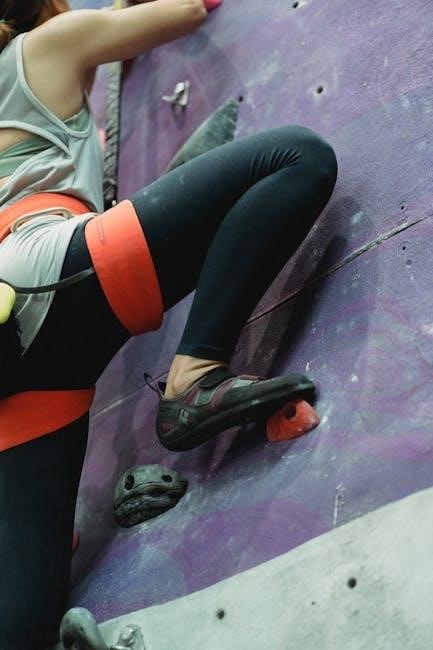
Ultimately‚ the right fit enhances your connection to the rock‚ boosting confidence and enabling you to push your climbing limits. Prioritizing fit isn’t about comfort; it’s about optimizing your technique and minimizing risk while pursuing your climbing goals.
Different Brands‚ Different Fits
Rock climbing shoe sizing isn’t standardized; significant variations exist between brands. Each manufacturer employs unique “lasts” – the foot-shaped form around which the shoe is constructed. La Sportiva‚ Scarpa‚ and Five Ten‚ for example‚ all cater to different foot shapes and philosophies.
La Sportiva shoes often run narrower‚ suiting climbers with slender feet‚ while Scarpa tends to offer a wider toe box. Five Ten historically provided a more generous fit‚ though recent models have become more performance-oriented. These differences mean your size in one brand won’t necessarily translate to another.
Furthermore‚ even within a single brand‚ different models cater to specific climbing styles and fit preferences. Aggressive‚ downturned shoes generally require a tighter fit than neutral‚ all-day comfort shoes. Therefore‚ understanding these brand-specific nuances is crucial for accurate sizing and a comfortable climb.
Measuring Your Feet
Accurate foot measurement is the foundational step in finding the right rock climbing shoe size. It’s best to measure your feet later in the day‚ as they tend to swell throughout the day. Wear thin socks – similar to those you’d wear while climbing – during the measurement process. Avoid measuring immediately after strenuous activity.
You’ll need a piece of paper larger than your foot‚ a pen or pencil‚ and a ruler or measuring tape. Place your foot flat on the paper and trace its outline carefully. Ensure the pen is held vertically to achieve an accurate tracing. Repeat this process for both feet‚ as slight size differences are common.
Measure the length of the tracing from the heel to the longest toe. Record both measurements in millimeters (mm) for optimal accuracy when referencing sizing charts. Remember‚ these measurements are a starting point‚ not a definitive shoe size.
Accurate Foot Measurement Techniques
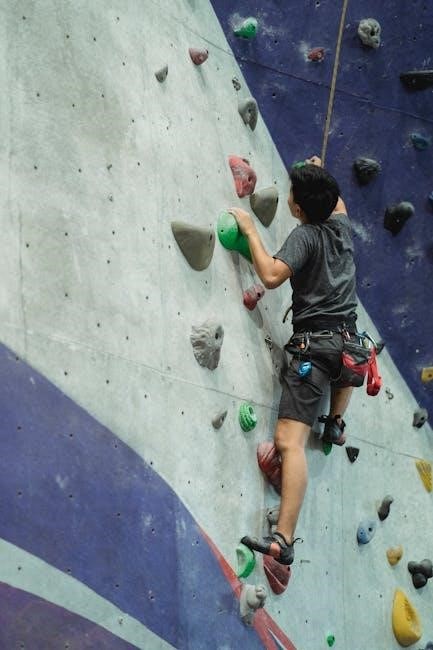
Precision is key when measuring your feet for rock climbing shoes. Utilize a Brannock device if accessible‚ found in many shoe stores‚ for the most reliable measurement. If using the paper tracing method‚ ensure your heel is firmly against a wall to obtain a true length measurement.
When tracing‚ avoid adding extra space or guessing the foot’s length. The tracing should be snug against your foot. Measure to the tip of your longest toe – this isn’t always the big toe! Repeat the measurement several times to confirm consistency.
Consider measuring both feet‚ as discrepancies are common. Use the larger measurement as your guide. Convert inches to millimeters (25.4mm per inch) for compatibility with most rock shoe sizing charts. Double-check your measurements before proceeding to shoe selection.
Understanding Millimeters (mm) in Rock Shoe Sizing
Millimeters (mm) are the standard unit for rock climbing shoe sizing‚ offering greater precision than traditional US or UK sizes. Most manufacturers provide sizing charts converting foot length in millimeters to their specific shoe sizes. This system allows for more accurate comparisons between brands.
It’s crucial to understand that mm refers to the internal length of the shoe‚ not your foot length. Rock shoes are designed to be snug‚ so a slight difference between your foot length and the shoe’s internal length is expected – and often desired – for performance.
When referencing sizing charts‚ always prioritize the manufacturer’s specific recommendations. A 270mm shoe from one brand may fit differently than a 270mm shoe from another. Familiarize yourself with the nuances of each brand’s sizing before making a purchase.
Rock Shoe Sizing Approaches
Several approaches exist when determining your rock shoe size‚ each catering to different climbing styles and experience levels. The “comfort fit” prioritizes all-day comfort‚ typically sizing shoes 0-2mm larger than your measured foot length. This is suitable for beginners and longer multi-pitch climbs.
A “performance fit” aims for a more aggressive‚ precise fit‚ sizing shoes 2-6mm smaller than your foot length. This enhances edging and precision‚ favored by experienced climbers tackling challenging routes. Finally‚ the “aggressive fit” pushes the boundaries‚ sizing shoes 6+mm smaller‚ maximizing performance but sacrificing comfort.
Choosing the right approach depends on your climbing goals and foot shape. Beginners should start with a comfort fit‚ gradually progressing to performance as their skills develop. Remember‚ a tighter fit isn’t always better; it should enhance‚ not hinder‚ your climbing.
Sizing for Beginners
For those new to rock climbing‚ prioritizing comfort is paramount. Beginners should opt for a more relaxed fit‚ typically sizing shoes 0 to 2 millimeters larger than their measured foot length. This allows for adequate blood flow and prevents excessive discomfort during initial climbing sessions‚ fostering a positive experience.
Avoid overly aggressive fits‚ as they can hinder foot development and technique learning. A slightly larger shoe provides more surface area for your foot to spread‚ improving stability and reducing the strain on developing foot muscles. Focus on a shoe that feels snug but not painful‚ allowing for a full range of motion.
As your climbing skills progress‚ you can gradually explore more performance-oriented fits. Starting comfortably builds a solid foundation and prevents discouragement from painful footwear.
Sizing for Intermediate Climbers
Intermediate climbers‚ with established technique‚ can begin exploring a more precise fit. Aim for shoes that are approximately 0 to 1 millimeter smaller than your measured foot length. This tighter fit enhances sensitivity and allows for greater precision on smaller holds‚ crucial for progressing to more challenging routes.
Expect a noticeable‚ but manageable‚ level of discomfort. Intermediate climbers are accustomed to the feeling of snug shoes and understand the trade-off between comfort and performance. Focus on shoes that allow you to comfortably maintain edging and smearing techniques without excruciating pain.
Experimentation is key; different brands and models will fit uniquely. Consider the type of climbing you’re primarily doing – steeper terrain often benefits from a tighter fit.
Sizing for Advanced Climbers
Advanced climbers prioritize performance above all else‚ often opting for extremely precise‚ aggressive fits. Expect shoes to be 1 to 2 millimeters – or even more – smaller than your measured foot length. This level of tightness maximizes power transfer and sensitivity‚ essential for tackling overhanging routes and complex boulder problems.
Significant discomfort is typical‚ and climbers at this level are adept at managing it. The goal is to minimize dead space within the shoe‚ allowing the foot to work with the shoe‚ not in it. Expect toe cramping and potential pain‚ especially during extended climbing sessions.
Advanced climbers frequently own multiple pairs of shoes‚ each tailored to specific climbing styles and levels of aggression. Precise sizing is paramount‚ and meticulous attention to detail is crucial.
Aggressive vs. Neutral Shoes & Sizing
The shape of a rock climbing shoe dramatically impacts sizing. Aggressive shoes‚ downturned and with a tight heel cup‚ demand a much more precise fit than neutral‚ flatter-soled shoes. Neutral shoes are generally sized closer to street shoe size‚ allowing for all-day comfort and versatility.
With aggressive shoes‚ anticipate sizing down significantly – often 1.5 to 2 full sizes from your street shoe. This ensures a snug‚ performance-oriented fit. Neutral shoes‚ conversely‚ may only require a half-size or even no size reduction‚ prioritizing comfort for longer climbs or training.
Consider the intended use; aggressive shoes excel in steep terrain‚ while neutral shoes are better suited for slabs and cracks. Proper sizing‚ aligned with the shoe’s design‚ is vital for optimal performance and foot health.
Aggressive Shoe Fit Considerations
Aggressive rock shoes prioritize precision and power‚ demanding a very snug fit. Expect significant toe crowding – this is intentional‚ as the downturned shape pulls your weight onto the toe for maximum edging ability. Initial discomfort is common‚ but excruciating pain is a red flag.
Focus on heel fit; a secure heel cup is crucial to prevent slipping and maximize power transfer. The shoe should feel almost like an extension of your foot‚ allowing for sensitive footwork; Blisters are possible during the break-in period‚ so careful sock choice and gradual use are recommended.
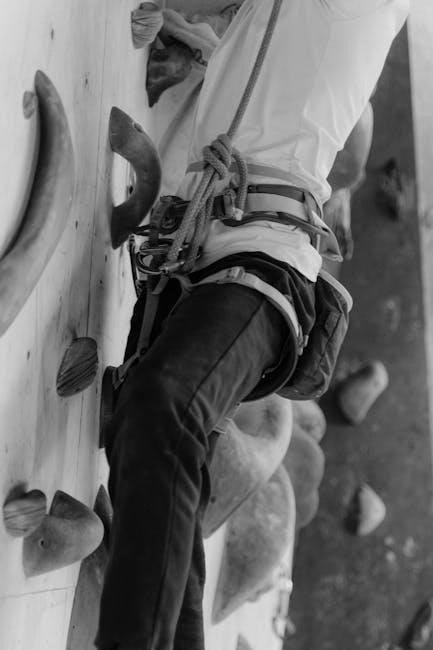
Remember‚ aggressive shoes aren’t meant for all-day wear; They are specialized tools for challenging climbs. Prioritize performance over comfort‚ but always listen to your body and avoid pushing through debilitating pain.
Neutral Shoe Fit Considerations
Neutral rock shoes emphasize all-day comfort and versatility‚ making them ideal for beginners and longer climbs. A comfortable fit is paramount; avoid excessive toe crowding or heel slippage. You should be able to comfortably wear these shoes for extended periods without significant discomfort.
Unlike aggressive shoes‚ neutral shoes don’t require a painfully tight fit. A snug‚ but not constricting‚ feel is optimal. Focus on a consistent fit throughout the shoe – no dead space or pressure points. These shoes are designed for smearing and moderate edging‚ prioritizing comfort over extreme performance.
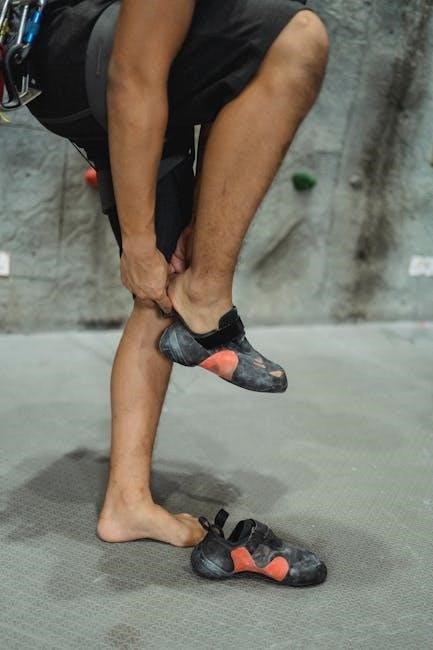
Consider the sock thickness you’ll typically wear while climbing. A slight amount of toe space is acceptable‚ allowing for foot swelling during activity. Prioritize a secure‚ comfortable fit that allows you to focus on the climb‚ not your feet.
Men’s vs. Women’s Rock Climbing Shoe Sizing
While some brands offer unisex sizing‚ significant anatomical differences often necessitate gender-specific rock climbing shoe sizing. Women generally have narrower heels and a higher instep compared to men. Consequently‚ women’s shoes are typically narrower overall‚ providing a more secure fit.
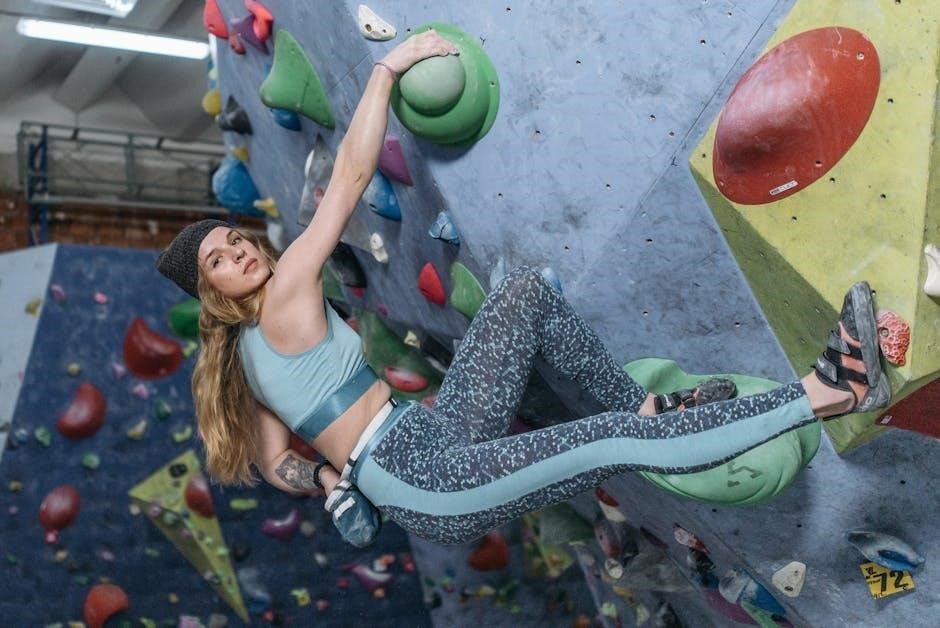
Men’s shoes are generally wider and have a higher volume to accommodate broader feet. Directly converting between men’s and women’s sizes isn’t always accurate; it’s crucial to consult each brand’s specific size chart; A women’s size 7‚ for example‚ doesn’t necessarily equate to a men’s size 6.5 or 7.
Many brands utilize different “lasts” – the foot-shaped form around which the shoe is built – for men and women‚ further emphasizing the need for gender-specific fitting. Always try on shoes designed for your gender to ensure optimal comfort and performance.
Gender-Specific Lasts and Sizing Differences
The “last” of a climbing shoe – its internal shape – is a critical factor influencing fit‚ and gender-specific lasts acknowledge distinct anatomical variations. Men’s lasts are generally wider and have a higher volume‚ reflecting broader foot structures and accommodating larger heel sizes. This design prioritizes comfort and support for male climbers.
Conversely‚ women’s lasts are typically narrower‚ particularly in the heel‚ and often feature a higher instep to secure a more precise fit. This caters to the generally narrower heel and higher arch commonly found in women’s feet. These differences aren’t merely aesthetic; they directly impact performance.
Sizing discrepancies arise because a men’s size and a women’s size with the same numerical value are built on fundamentally different shapes. Ignoring these distinctions can lead to discomfort‚ reduced sensitivity on the rock‚ and ultimately‚ compromised climbing ability. Prioritize trying on shoes built on a last designed for your gender.
Common Rock Climbing Shoe Brands & Their Sizing
Navigating sizing across different brands is a significant challenge in rock climbing shoe selection. Each manufacturer employs unique lasts and sizing conventions‚ meaning your size in one brand won’t necessarily translate to another.
La Sportiva is known for a generally snug fit‚ often recommending sizing down from your street shoe size‚ sometimes by as much as a full size or even more for aggressive models. Scarpa tends to run a bit larger‚ with many climbers finding their street shoe size or only a half-size down provides a comfortable‚ performance-oriented fit.
Five Ten‚ now under Adidas‚ often fits similarly to Scarpa‚ though specific models can vary. It’s crucial to consult each brand’s individual sizing chart and read reviews from climbers with similar foot shapes. Remember‚ these are guidelines; a proper fit always requires trying on the shoes whenever possible.
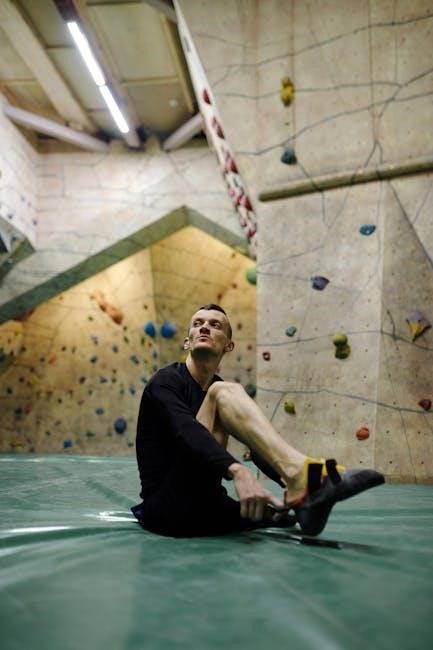
La Sportiva Sizing Guide
La Sportiva shoes are renowned for their precision and performance‚ but achieving the right fit requires careful consideration. Generally‚ La Sportiva shoes run smaller than street shoe sizes‚ necessitating a downsize for most climbers.
For beginner to intermediate climbers opting for neutral or moderately aggressive shoes‚ subtracting 0.5 to 1 full size from your street shoe size is a common starting point. However‚ for aggressive models like the Solution or Miura‚ a more substantial downsize – up to 1.5 or even 2 sizes – may be necessary to achieve a snug‚ high-performance fit.
Always consult La Sportiva’s specific size chart for each model‚ as variations exist. Consider your foot volume; lower-volume feet may require a larger downsize. Trying on is crucial‚ and remember that La Sportiva shoes often stretch slightly with use.
Scarpa Sizing Guide
Scarpa climbing shoes are celebrated for their comfort and performance‚ but proper sizing is essential for maximizing both. Scarpa’s sizing tends to be relatively consistent‚ though variations exist between models‚ making a precise approach vital.
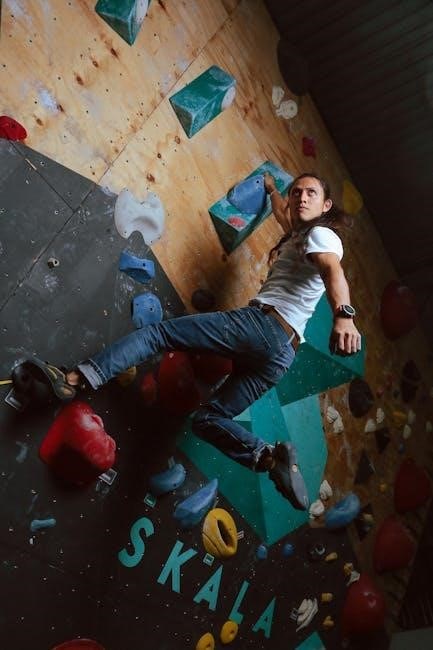
A common recommendation is to size down 0.5 to 1 size from your street shoe size for all-around climbing shoes. However‚ for aggressive Scarpa models like the Instinct VS‚ a more significant downsize – potentially 1 to 1.5 sizes – is often needed to achieve the desired performance fit.
Scarpa utilizes a unique sizing system‚ so referencing their specific size chart is paramount. Foot shape plays a role; wider feet may benefit from sizing up within the recommended range. Remember that Scarpa shoes‚ particularly leather models‚ will stretch with wear‚ so a snug initial fit is preferable.
Five Ten Sizing Guide
Five Ten‚ now under Adidas‚ is renowned for its sticky rubber and durable climbing shoes. Understanding their sizing is crucial for optimal performance‚ as their fit can differ significantly between models. Generally‚ Five Ten shoes tend to run slightly larger than some other brands.
For beginner to intermediate climbers‚ starting with a size that’s 0.5 to 1 size smaller than your street shoe size is a good starting point. However‚ for aggressive shoes like the Hiangle or Dragon‚ a more substantial downsize – up to 1.5 or even 2 sizes – may be necessary to achieve a precise‚ high-performance fit.
Five Ten’s sizing charts are a valuable resource‚ but consider your foot volume and shape. Lower-volume feet may require a more aggressive downsize. Like other brands‚ Five Ten shoes will stretch‚ so a snug fit initially is recommended.
Dealing with Foot Pain and Discomfort
Some discomfort is expected when transitioning to tighter-fitting rock shoes‚ but persistent or severe pain is a warning sign. Initial discomfort often stems from pressure points‚ particularly around the toes and heel. Blisters are common during the break-in period‚ so preventative measures like thin socks or blister prevention tape are vital.
If pain is localized and mild‚ breaking in the shoes gradually with shorter climbing sessions can help. However‚ numbness‚ sharp pain‚ or swelling indicate a poor fit. Don’t ignore these signals; continuing to climb in ill-fitting shoes can lead to long-term foot problems.
Consider stretching the shoes in specific areas if pressure points are manageable. If pain persists‚ reassess your sizing and potentially explore different shoe models better suited to your foot shape. Prioritize foot health over performance!
Breaking in New Rock Climbing Shoes
Breaking in rock climbing shoes is a gradual process‚ demanding patience and a strategic approach. New shoes often feel incredibly tight‚ but this tightness is crucial for precision and performance. Start by wearing them around the house for short periods‚ gradually increasing the duration to accustom your feet.
Top-roping on easy climbs is an excellent initial step‚ allowing you to experience the shoe’s feel without intense strain. Avoid strenuous bouldering or lead climbing until the shoes have begun to conform to your foot shape. Gentle stretching exercises can also aid the process‚ focusing on areas of tightness.
Remember that some shoes require more break-in time than others. Leather shoes generally stretch more readily than synthetic materials. Consistent‚ moderate use is key; avoid prolonged wear that could cause blisters or discomfort.
When to Resole Your Climbing Shoes
Determining when to resole your climbing shoes is vital for maintaining performance and extending their lifespan. A key indicator is diminished rubber thickness on the sole; if it’s worn smooth‚ grip significantly decreases. Inspect the sole regularly for excessive wear‚ particularly in high-wear areas like the toe.
Beyond thickness‚ consider the shape of the sole. If it’s significantly deformed or stretched‚ resoling can restore the shoe’s original performance characteristics. However‚ resoling isn’t always economical; heavily damaged uppers may warrant a replacement.
Generally‚ resoling is recommended when the sole is around 2-3mm thick. Frequent climbers may need to resole more often than occasional users. Professional resoling services ensure proper rubber application and maintain the shoe’s integrity‚ offering a cost-effective alternative to buying new shoes.
Sizing for Different Climbing Styles
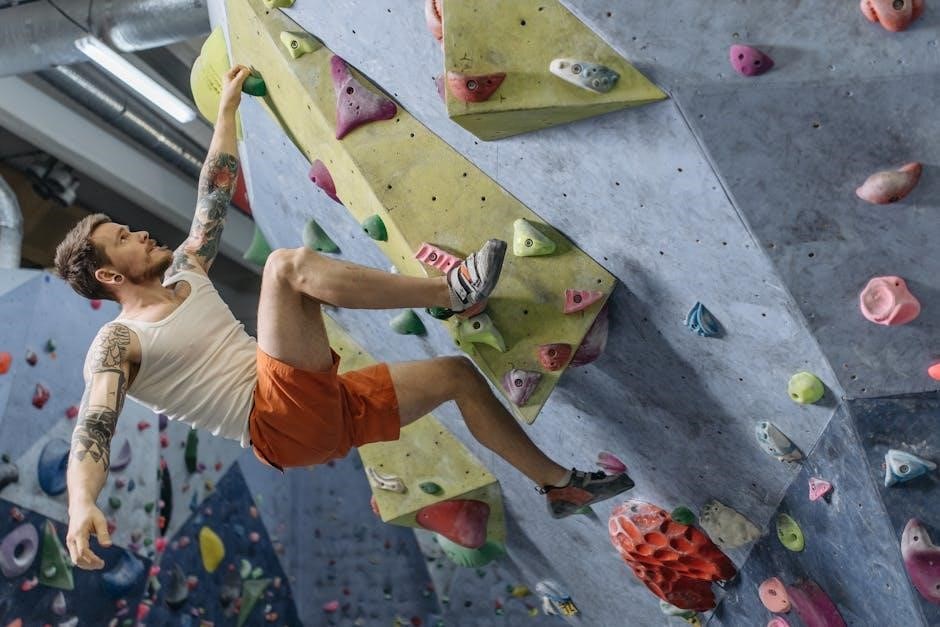
Climbing style significantly influences optimal shoe sizing. Bouldering‚ demanding precise footwork on steep terrain‚ often benefits from a tighter‚ more aggressive fit – potentially sizing down 1-2 sizes. This maximizes sensitivity and power transfer for challenging moves.
Sport climbing typically favors a moderately aggressive fit. A snug‚ but not excruciatingly tight‚ shoe allows for all-day comfort on longer routes while still providing sufficient edging power. Sizing down half a size to a full size is common.
Trad climbing prioritizes comfort and all-day performance. A more neutral shoe‚ or a slightly looser fit in an aggressive shoe‚ is preferred. This reduces foot fatigue during long approaches and sustained climbing. Consider sizing closer to your street shoe size or only down half a size.
Bouldering Shoe Sizing
Bouldering demands precision and power‚ dictating a specific shoe sizing approach. Generally‚ boulderers opt for the tightest possible fit‚ often sizing down one to two full sizes from their street shoe size. This aggressive fit maximizes sensitivity‚ allowing for precise foot placements on small holds.
The goal is to minimize dead space within the shoe. A snug heel cup is crucial to prevent slipping during dynamic movements. Expect initial discomfort; bouldering shoes are meant to be aggressively fitted. However‚ avoid excruciating pain that hinders performance.
Down-turning and asymmetrical shapes are common in bouldering shoes. These features enhance edging ability and allow for powerful toe hooks. Prioritize a shoe that complements your foot shape and climbing style‚ even if it requires extensive break-in time.
Sport Climbing Shoe Sizing
Sport climbing shoe sizing strikes a balance between comfort and performance. While still favoring a snug fit‚ sport climbing shoes generally allow for slightly more room than bouldering shoes. A common approach is to size down half to one full size from your street shoe size‚ depending on the brand and model.
Extended periods on the wall necessitate a degree of comfort. Sport routes often require sustained footwork‚ making excessive pain detrimental. A well-fitted shoe should provide adequate support for edging and smearing without causing significant discomfort after prolonged use.
Slightly less aggressive shapes are typical for sport climbing shoes. While down-turning is still beneficial‚ sport shoes often prioritize all-day comfort and versatility. Focus on a shoe that excels in edging and provides a secure heel hook for varied terrain.
Trad Climbing Shoe Sizing
Trad climbing shoe sizing leans towards comfort and all-day wearability. Unlike the precision demands of bouldering or the sustained intensity of sport climbing‚ trad often involves longer approaches and varied terrain‚ necessitating a more forgiving fit. Typically‚ sizing down only a quarter to half size from your street shoe is recommended.
Prioritize a flat or moderately downturned shoe for trad. These shapes excel at smearing on cracks and provide a stable platform for delicate footwork. A comfortable fit is crucial‚ as trad climbs often require extended periods of stemming and precise placements.
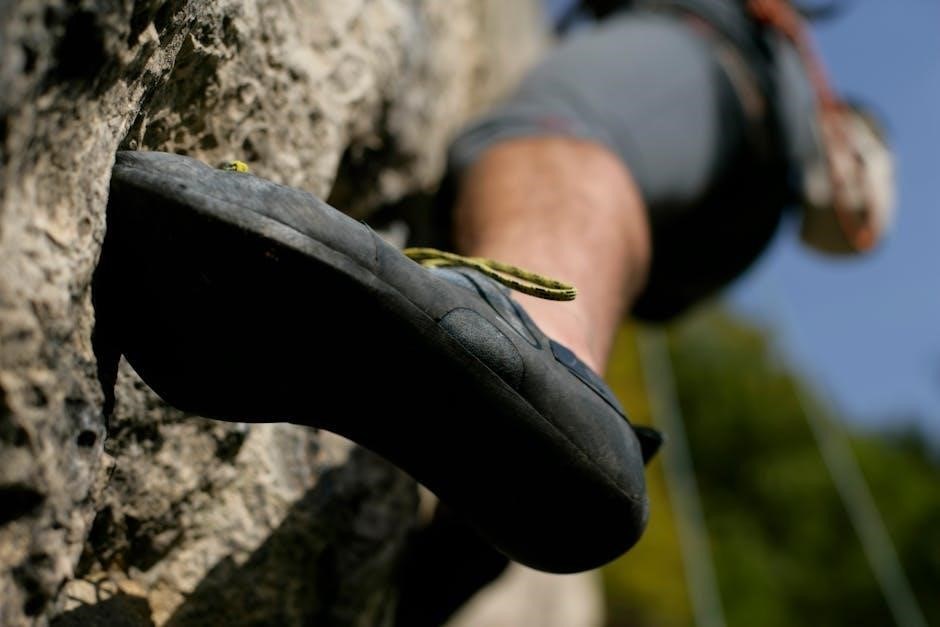
Consider the shoe’s stiffness for crack climbing. A stiffer sole provides better edging support in cracks‚ while a softer sole enhances sensitivity for smearing. Finding the right balance is key for maximizing performance and minimizing foot fatigue throughout a long trad day.
Online vs. In-Store Shoe Fitting
Choosing between online and in-store rock climbing shoe fitting presents distinct advantages and disadvantages. While online shopping offers convenience and a wider selection‚ it lacks the crucial element of trying shoes on for a precise fit. In-store fitting‚ conversely‚ allows for immediate assessment of comfort and performance‚ guided by expert staff.
In-store fitting is highly recommended‚ especially for beginners. Experienced staff can accurately measure your feet‚ assess your climbing level‚ and recommend appropriate models and sizes. They can also help identify potential fit issues that might not be apparent online.
If online purchasing is necessary‚ utilize brand-specific sizing charts and customer reviews. However‚ be prepared for potential returns and exchanges to dial in the perfect fit. Remember that sizing can vary significantly between brands and models.
The Benefits of In-Store Fitting
Opting for an in-store rock climbing shoe fitting provides several key advantages over online purchases. Primarily‚ it allows you to physically experience the shoe’s fit‚ crucial for performance and preventing discomfort. A trained professional can assess your foot shape‚ climbing style‚ and experience level to recommend the most suitable options.
Expert staff can accurately measure your feet‚ considering length and width‚ and identify potential pressure points or areas of concern. They can also demonstrate how different shoe shapes – aggressive‚ neutral‚ or moderate – impact performance.
In-store fitting minimizes the risk of ordering incorrect sizes or unsuitable models‚ saving time and return shipping costs. You can even test the shoes on a mock climbing wall to gauge their performance before committing to a purchase. This personalized approach ensures optimal comfort and climbing efficiency.
Resources for Online Sizing
While in-store fitting is ideal‚ several online resources can aid in determining your rock climbing shoe size. Brand websites‚ like La Sportiva‚ Scarpa‚ and Five Ten‚ often provide detailed sizing charts converting foot length in centimeters or inches to their respective shoe sizes.
Many retailers‚ such as Rock Run‚ offer comprehensive sizing guides that incorporate user feedback and specific fit recommendations for each brand. These guides frequently include printable foot measurement templates to ensure accuracy.
Online forums and climbing communities can be valuable sources of information‚ offering insights from experienced climbers regarding specific shoe models and their sizing tendencies. However‚ remember that fit is subjective‚ and individual experiences may vary. Utilize multiple resources and cross-reference information to make an informed decision‚ understanding returns might be necessary for a perfect fit.